
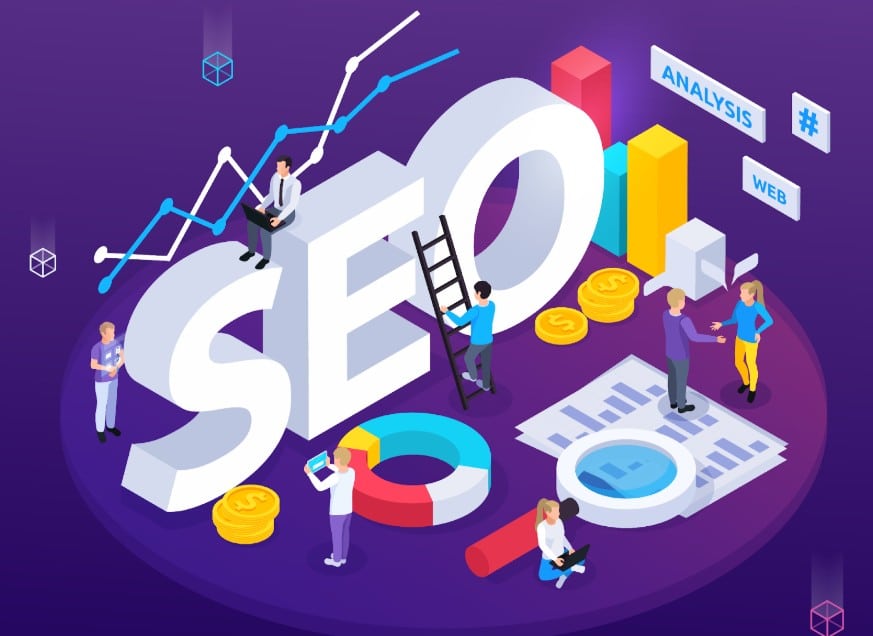
In the current age, businesses require efficient marketing; an effective marketing strategy relies heavily on search engine optimization tools and an adequate investment of time to implement the right strategy to achieve desired outcomes. SEO encompasses technical web components and acts as a marketing backbone.
SEO allows businesses to achieve visibility on the web, engage users, further enhance the marketing strategy of the business, and accomplish long-term sustainable marketing goals. By grasping the impact of SEO and applying industry standards, companies can achieve growth and visibility.
1. Marketing and SEO Correlation
Every business strives to create a name for itself and aims for maximum exposure; publishers launching fresh content require an adequate marketing strategy, and marketing can encompass diverse tactics to develop brand awareness. Market research revolves around distinct products, advertising methods, and SEO content. All types of content marketing, search engine ads, and social media ads provide maximum reach to the desired demographics of the products.
Take note of the legal sector; you can use specialized SEO tactics like Stein Law to give you an edge. These tactics aim to customize the SEO of your site so as they incorporate legal services, allowing your law firm to shine in a fiercely competitive market.
2. How SEO Sets the Stage for Successful Marketing
SEO is the framework upon which your entire marketing strategy will unfold. Use it like the preparation for a great beginning; the lighting, choreography, and even the set design work together in perfect harmony. SEO allows your site to be located by search engines as well as your potential clients. It puts a window for your clients through which they can view your site. Without SEO, even your high-quality content or top-notch products will remain ‘undiscovered’ as irrelevant search results will cover them like a thick blanket.
This is achieved through appropriate keyword targeting, quick load speeds, and providing seamless user experiences. This, in turn, boosts your website’s authority, which increases organic traffic that can later be nurtured into leads and conversions. Furthermore, whether you focus on local SEO or work towards a broader audience, your outcomes will be greatly enhanced. You can confidently invest in advanced marketing techniques once you have SEO fundamentals in place.
3. Marketing Achievements Built Upon Effective SEO
A well-structured SEO strategy is an excellent tool for achieving long-term marketing goals. One of the key advantages of SEO is that it increases the website’s organic traffic, which is more sustainable than using paid ads.
SEO is an asset for ranking your website over time for the relevant keywords, and in turn, it ensures continuous, unpaid traffic. This is particularly important for businesses that want to build a strong digital presence without having to invest heavily in paid advertising campaigns.
4. How SEO Should Frame Your Marketing Strategy
SEO is perhaps the most critical factor in determining your marketing strategy, its direction, and its effectiveness. A well-executed SEO plan not only serves a business’s marketing functions but also provides insights into what the audience is searching for and allows tailoring of content, products, and services. SEO also provides its overwhelming insights, including search volume, competitive nature of keywords, and what the audience intends to search for, so that businesses can better align their marketing functions.
As an illustration, keyword research can identify the exact questions or issues a potential customer seeks to address. By aligning your marketing strategies with these questions or issues, your business stands to create answers via content, thus enhancing your brand’s relevance.
Moreover, SEO informs other marketing strategies regarding where content will be disseminated or published. It gives businesses insight into where they are most likely to reach their intended consumers, be it social media, blogs, or video content, ensuring effective utilization of marketing funds.
5. Beginning Your Marketing Journey with Proven SEO Techniques
Beginning your marketing journey with proper SEO techniques gives a strong advantage in the long run. Several businesses tend to skip SEO while trying to promote their businesses using different marketing channels. Yes, there is a sense of order in using the “optimize later” approach, but it is inefficient. Putting SEO first guarantees that marketing initiatives will be focused on both the users’ and search engines’ needs, ultimately preventing issues down the line.
Also, SEO favors a long-term strategic plan as organic traffic will increase steadily over time. SEO requires time to develop traction, unlike paid services that provide instant and temporary results. After investment of time and effort, the returns will be plentiful, offering consistent and cost-effective conversions that endure over time.
Conclusion:
All in all, SEO remains the foundation of all marketing activities, catalytic to the proper execution of campaigns and sustainable growth. The advantages that it provides to a business go beyond establishing and enhancing brand reputation and trust, as the proper SEO will structurally influence the entire marketing plan.
Marketing triumph can be achieved by implementing and continuously refining the pertinent SEO strategies. Whether kicking off a business or polishing an existing one, SEO must be the first focus for ensuring messages are properly tailored and engagement by the desired audience is facilitated.