
In today’s hyper-competitive business landscape, simply having a great product or service isn’t enough. If you want to survive (and thrive), you need to generate high-quality leads that convert into paying customers. That’s where B2B lead generation companies come in.
These experts don’t just rely on guesswork or hope to get lucky—they use data and technology to target, nurture, and convert leads at scale.
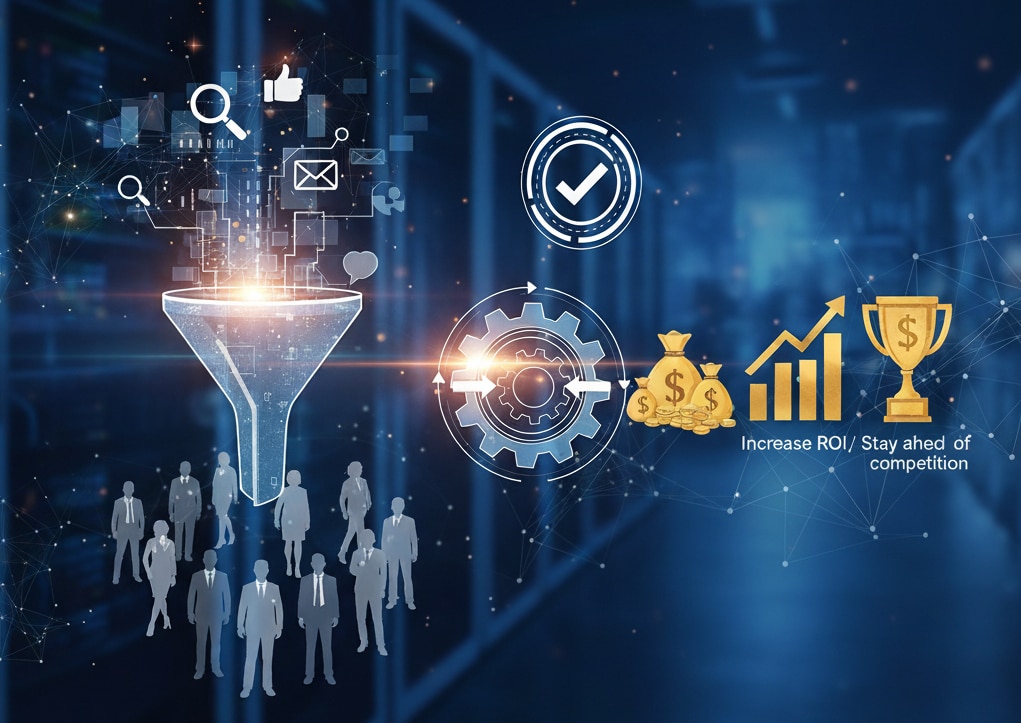
So, how exactly do they do it? How can a B2B lead generation company use the power of data and tech to drive real results? In this post, we’ll dive into the fascinating world of modern B2B lead generation, showcasing the strategies and tools these companies use to optimize conversion rates and grow their client’s businesses.
1. The Data-Driven Approach: Let Numbers Do the Talking
Say Goodbye to Guessing Games
Let’s get one thing clear: traditional lead generation methods, like cold calling and generic email blasts, are so last century. Sure, they worked for a time—but in today’s world of sophisticated buyers and crowded inboxes, they just don’t cut it anymore.
B2B lead generation companies know that relying on data is the best way to boost lead quality and conversion rates. By leveraging customer insights and behavioral data, they can create highly targeted campaigns that speak directly to the needs of their prospects. This data-driven approach isn’t about casting a wide net and hoping for the best. It’s about making informed decisions based on solid numbers.
Targeting the Right Audience
Instead of randomly reaching out to anyone with an email address, B2B lead generation companies use data to segment their audience and hone in on the most promising prospects. This is where things like buyer personas, lead scoring, and segmentation come into play.
Here’s the secret: instead of just focusing on the demographics (age, job title, location), they also track behavioral data, such as:
- Website visits
- Content downloads
- Email opens and clicks
- Social media interactions
By analyzing this data, B2B lead generation companies can figure out which leads are more likely to convert and which ones need a little more nurturing.
It’s like a detective tracking clues, except in this case, the clues are customer actions and behaviors—and they lead directly to higher conversion rates.
2. Technology’s Role: Automation, AI, and More
The Magic of Marketing Automation
Let’s talk about automation. You’ve probably heard the buzzword before, but when it comes to B2B lead generation, marketing automation is a game-changer.
Marketing automation tools allow B2B lead generation companies to create sophisticated workflows that trigger personalized messages based on specific actions or timing. For example:
- If a prospect downloads an eBook, they might automatically receive a follow-up email with a relevant case study.
- If a lead opens an email but doesn’t click on a link, they may be sent a reminder email with a different call-to-action.
This is where things get juicy: by automating these processes, B2B companies can nurture leads at scale while maintaining a personal touch. The result? More leads move through the funnel, and the conversion rate goes through the roof.

AI-Powered Lead Scoring
And just when you thought it couldn’t get better, here comes artificial intelligence (AI) to take things to the next level. B2B lead generation companies are increasingly using AI to enhance lead scoring, predicting which leads are most likely to convert.
Lead scoring assigns a numerical value to each lead based on how likely they are to make a purchase. The more engaged a prospect is (for example, they’ve visited your pricing page three times or attended a webinar), the higher their score.
AI uses machine learning to analyze historical data and predict the likelihood of conversion, helping B2B companies focus their energy and resources on the most promising leads. This predictive analytics approach allows businesses to identify hot leads in real-time, giving them the ability to jump on the opportunity before a competitor does.
3. Personalization: Data Meets Customization
From Generic to Specific: The Power of Personalization
It’s no secret that personalization is king in today’s marketing world. B2B lead generation companies are experts at crafting highly personalized experiences for each lead, and data and technology are the secret ingredients behind it all.
With all the data collected through automated systems, B2B lead generation companies can tailor their content and messages to meet the specific needs of each prospect. They don’t just send out generic offers and hope they stick—they leverage dynamic content, personalized emails, and custom landing pages that speak directly to a lead’s pain points and interests.
For example, if you know a lead has been searching for cloud storage solutions on your website, your follow-up email will talk about how your product solves specific cloud-related challenges. No more one-size-fits-all approaches—everything is laser-focused and relevant, which is why it results in higher conversion rates.
Dynamic Retargeting Ads
Speaking of personalization, let’s not forget about dynamic ads. A B2B lead generation company will often use retargeting to serve highly personalized ads to leads who have previously interacted with your brand.
Here’s how it works: If someone visits your site but leaves without completing a purchase or signing up, a dynamic retargeting ad will follow them across the internet. These ads will showcase the exact product or service the prospect showed interest in, dramatically increasing the likelihood of conversion.
It’s like the digital equivalent of chasing down a lead, except it’s automated and on their terms.
4. Data Analytics: Measuring Success and Fine-Tuning Strategies
B2B lead generation companies know that data analytics isn’t just a nice-to-have—it’s essential for improving performance. By tracking key metrics such as click-through rates, conversion rates, and customer lifetime value, they can measure the effectiveness of their lead generation efforts and adjust their strategy accordingly.
Without a clear understanding of what’s working (and what isn’t), you’re just shooting in the dark. Data analytics helps businesses identify weak spots in the funnel, optimize conversion paths, and ensure that resources are being allocated efficiently.
For example, let’s say a company notices that leads generated from LinkedIn ads have a higher conversion rate than those from Facebook ads. They can allocate more of their budget to LinkedIn and optimize their Facebook campaigns to match the successful strategy.
5. Integrated CRM Systems: The Glue that Holds Everything Together
A robust Customer Relationship Management (CRM) system is the backbone of any effective lead generation strategy. B2B lead generation companies use CRM systems to track and manage all interactions with leads, providing a centralized database of potential customers.
By integrating their CRM with marketing automation and AI tools, B2B lead generation companies can ensure that the right message reaches the right lead at the right time. It’s not just about collecting data—it’s about using it to create a seamless experience that keeps prospects engaged and moving through the sales funnel.
Data and Technology = Conversion Goldmine
There’s no denying that data and technology are the dynamic duo that B2B lead generation companies rely on to supercharge conversions. From collecting actionable insights through data to automating personalized follow-ups and leveraging AI to predict lead behavior, the possibilities are endless.
If you want to convert more leads, increase your ROI, and stay ahead of the competition, it’s time to embrace the power of data-driven lead generation. Whether you’re partnering with a B2B lead generation company or building your strategy in-house, the right tools and tactics will help you unlock your business’s full potential.