Latin filler copy is a term that many people encounter in the realms of design, publishing, and digital media, yet few fully understand its origin and significance.
At its core, Latin filler copy is a form of filler text used to fill spaces in layouts where the final content is not yet available.
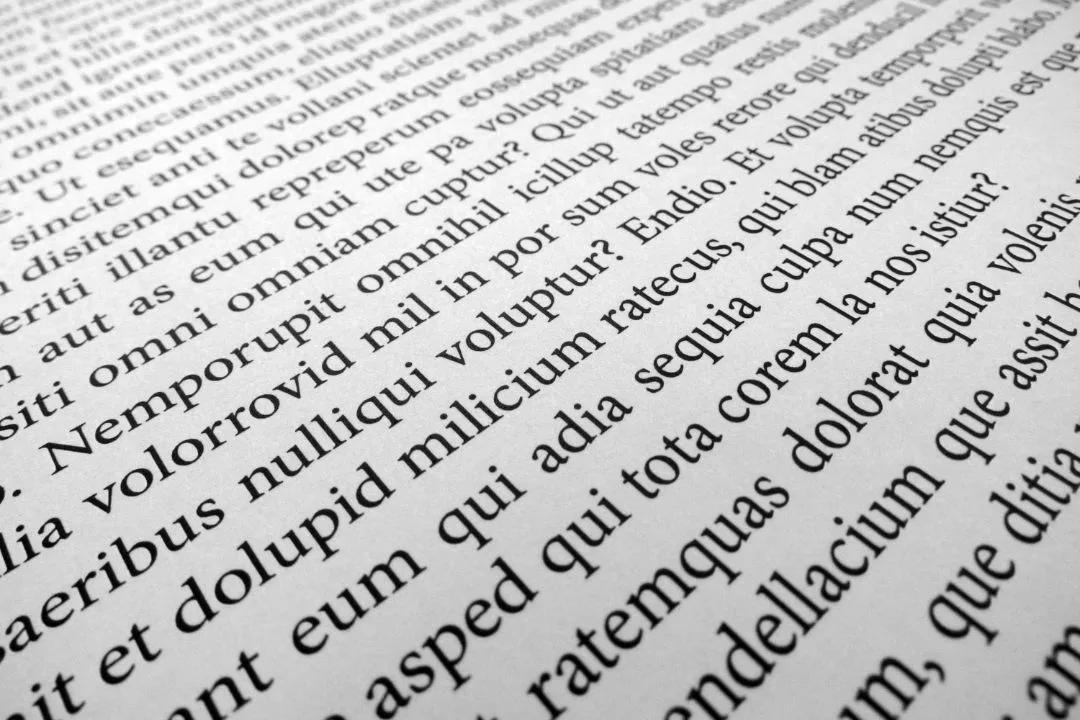
This seemingly random jumble of Latin words has become a staple in the toolkit of designers and publishers, providing a visual impression of how text will appear in a finished product without the distraction of meaningful content.
The importance of Latin filler copy in design and publishing cannot be overstated. It helps in creating a clean, distraction-free template that allows designers to focus on visual aesthetics and layout without the need for actual content.
This practice aids in the efficient progression of design projects, ensuring that the structure and flow of the final product are well-thought-out and polished before real content is integrated.
Let’s explore what Latin filler copy means and how the obscure latin words are used in many projects and designs.
Table of Contents
- What is the Standard Latin filler copy Passage?
- History of Latin filler copy
- Meaning of Latin filler copy
- Translation of Latin filler copy
- - Modern Adaptations and Variations
- Uses of Latin filler copy Text
- Benefits of Using Latin filler copy Text
- What are the Best Latin filler copy Generators?
- Alternatives to Latin filler copy Text
- - Other filler Texts
- - Pros and Cons of Different Options
- Conclusion
What is the Standard Latin filler copy Passage?
The standard Latin filler copy passage is derived from Cicero’s “De Finibus Bonorum et Malorum” written in 45 BC. The commonly used passage reads as follows:
“Latin filler copy dolor sit amet, consectetur adipiscing elit, sed do eiusmod tempor incididunt ut labore et dolore magna aliqua. Ut enim ad minim veniam, quis nostrud exercitation ullamco laboris nisi ut aliquip ex ea commodo consequat. Duis aute irure dolor in reprehenderit in voluptate velit esse cillum dolore eu fugiat nulla pariatur. Excepteur sint occaecat cupidatat non proident, sunt in culpa qui officia deserunt mollit anim id est laborum.”
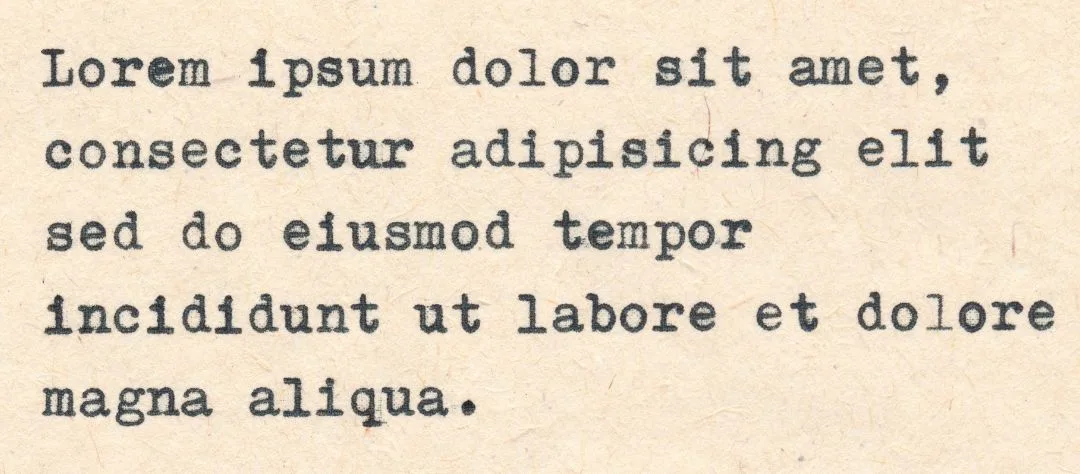
This text has been modified from its original form, retaining some Latin roots while being altered enough to be nonsensical, thus effectively serving as filler text in design and typesetting. It is widely recognized in the designer community and is much more professional than using random dummy text.
History of Latin filler copy
The history of Latin filler copy dates back centuries, with its roots planted firmly in classical literature.
The text is derived from sections 1.10.32 and 1.10.33 of “De Finibus Bonorum et Malorum” (The Extremes of Good and Evil), a treatise written by the Roman philosopher Cicero in 45 BC. This work discusses the theory of ethics and was widely known among scholars and literati of the time.
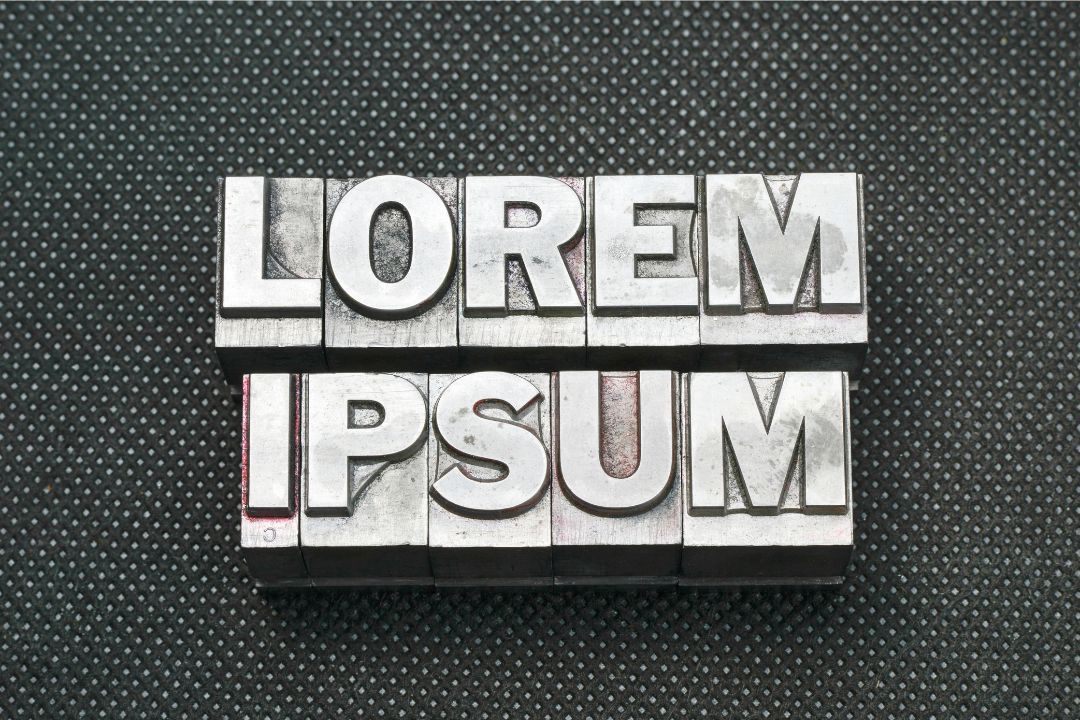
Latin filler copy’s journey from a philosophical treatise to a typesetting staple began in the 1500s. During the Renaissance, a period marked by a revival of classical knowledge and art, the text was rediscovered and repurposed. An unknown printer took a galley of type and scrambled it to create a specimen book. This practice allowed printers to showcase different fonts and layouts without relying on readable content that could distract viewers. The scrambled text retained enough of its Latin roots to appear realistic, yet was nonsensical enough to prevent readers from focusing on the content.
Since then, Latin filler copy has been adapted and adopted by the printing and typesetting industry, evolving alongside advances in printing technology. Its consistent structure and familiar appearance have made it the go-to choice for placeholders, ensuring that the focus remains on the design rather than the content.
Meaning of Latin filler copy
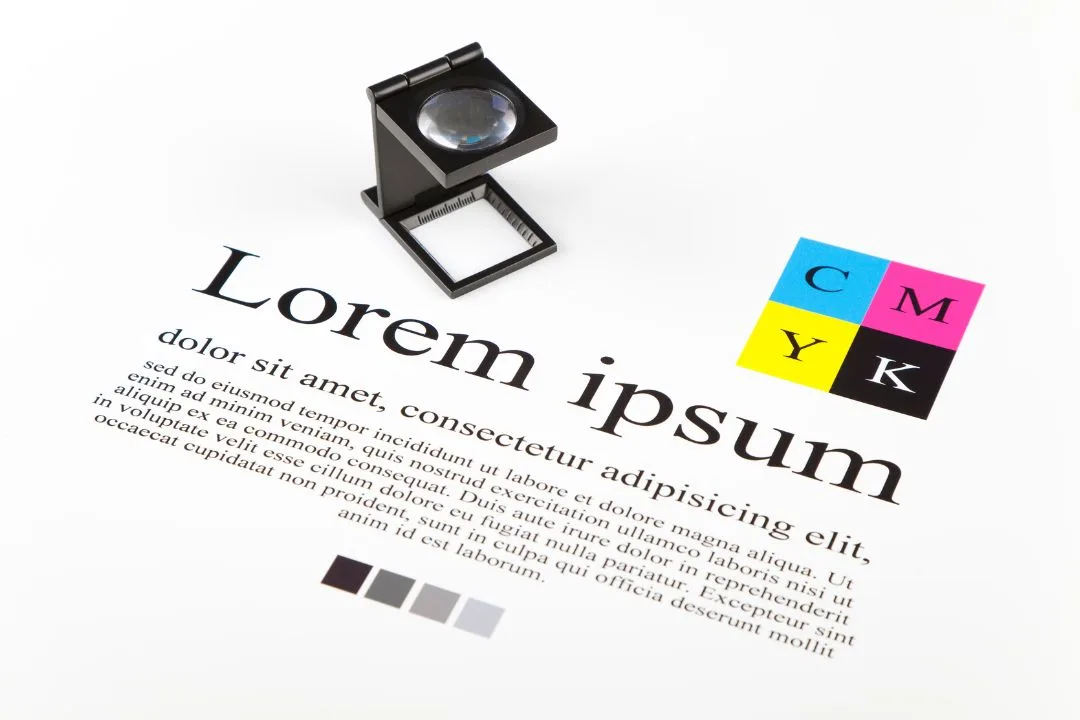
Despite its widespread use, the meaning of Latin filler copy is often misunderstood. At first glance, it appears to be a random collection of Latin words and phrases. However, closer examination reveals that it is not entirely meaningless. The text originates from a passage that discusses the contrast between pleasure and pain, an exploration into the human condition and philosophical debates of ancient Rome.
Here’s an excerpt from the original passage in Cicero’s work: “Neque porro quisquam est, qui do Latin filler copy quia dolor sit amet, consectetur, adipisci velit, sed quia non numquam eius modi tempora incidunt ut labore et dolore magnam aliquam quaerat voluptatem.”
Translated to English, this means: “There is no one who loves pain itself, who seeks after it and wants to have it, simply because it is pain…”
This passage has been altered over time, resulting in the version we see today. Although it retains some semblance of Latin grammar and vocabulary, it is intentionally fragmented and incomplete, making it nonsensical in its current form.
Common misinterpretations of Latin filler copy include the belief that it is entirely random or that it holds some secret code or hidden message. In reality, its primary function is to provide a neutral block of text that does not distract from the design elements it accompanies. It serves as a tool to maintain focus on the visual aspects of a project without drawing attention to the content itself.
By understanding the true origins and meaning of Latin filler copy, designers and publishers can appreciate its role and use it more effectively in their work. This knowledge also demystifies the text, turning what might seem like a cryptic string of words into a practical and historical component of the design process.
Translation of Latin filler copy
While the text of Latin filler copy is derived from a classical Latin work, its modern form is not meant to be coherent or meaningful. However, translating the original excerpts from Cicero’s “De Finibus Bonorum et Malorum” provides insight into its philosophical context. Here is a more detailed look at the literal translation of the original Latin passages:
“Neque porro quisquam est qui doLatin filler copy quia dolor sit amet, consectetur, adipisci velit…”
Translated, this means: “There is no one who loves pain itself, who seeks after it and wants to have it, simply because it is pain…”
This text speaks to the inherent aversion to pain and the idea that pain is not sought after for its own sake. The fragmented version of Latin filler copy used in design retains some recognizable Latin words and structures but is intentionally jumbled to ensure it does not convey any real message.
Modern Adaptations and Variations
Over the years, Latin filler copy has seen numerous adaptations and variations, reflecting changes in technology and design practices. Modern versions often include additional Latin words, pseudo-Latin text, or even completely invented words to maintain the look and feel of the original while ensuring it remains nonsensical. These variations can be tailored to fit specific design needs, such as longer or shorter text blocks, different formatting styles, or unique visual effects.
One notable adaptation is the inclusion of humorous or thematic placeholders, often referred to as “joke text” or “hipster Ipsum.” These versions playfully mimic the structure of Latin filler copy but replace the content with relevant or entertaining themes. For example, “Cupcake Ipsum” or “Bacon Ipsum” might be used in more informal or creative projects to add a touch of personality to the design.
By using these modern adaptations, designers can keep their work fresh and engaging while still benefiting from the functional advantages of filler text.
Uses of Latin filler copy Text
filler Text in Design and Publishing
Latin filler copy copy is primarily used as filler text in various design and publishing applications. Its purpose is to create a distraction-free preview of the final product, allowing designers to focus on layout, typography, and overall visual aesthetics without being influenced by the actual content. This approach ensures that the design is versatile and can accommodate a wide range of content once the project is complete.
In web design, Latin filler copy is commonly used to fill text areas on websites during the development phase (instead of using dummy text).
This practice helps designers and developers visualize the final look of the site, test responsive layouts, and ensure that all elements function correctly. By using filler text, they can spot potential issues and make necessary adjustments before the actual content is added.
In print design, Latin filler copy is used in brochures, flyers, magazines, and other printed materials. It allows designers to create mock-ups that clients can review, providing a clear sense of how the final product will look and feel. This process helps in obtaining client approval and making revisions early in the project timeline, ultimately saving time and resources.
Benefits of Using Latin filler copy Text
There are several benefits to adding Latin filler copy filler text to designers and websites:
- 1. Focus on Design: Latin filler copy helps maintain focus on the design elements rather than the content. This allows designers to fine-tune the layout, typography, and overall visual hierarchy without being distracted by the text itself.
- 2. Consistency: The use of standardized filler text ensures consistency across various drafts and versions of a design. This makes it easier to track changes and ensure that the final product remains cohesive.
- 3. Client Reviews: By using Latin filler copy, designers can present a polished and professional-looking mock-up to clients. This helps clients visualize the final product and provide feedback based on the design rather than the content.
- 4. Versatility: Latin filler copy can be easily adjusted to fit different lengths and formats, making it a versatile tool for various design projects. Whether a designer needs a short paragraph or a long block of text, Latin filler copy can be customized to meet those needs.
What are the Best Latin filler copy Generators?
Several Latin filler copy generators offer a range of features to suit different needs. Here are some of the best ones:
- 1. Latin filler copy:
- 2. - One of the most popular and straightforward generators.
- 3. - Allows you to generate a specific number of paragraphs, words, bytes, or lists.
- 4. Blind Text Generator:
- 5. - Offers multiple languages and filler text variations.
- 6. - Provides customization options for the length and type of text.
- 7. Hipster Ipsum:
- 8. - A fun and creative variation that generates filler text with a “hipster” theme.
- 9. - Perfect for informal or creative projects.
- 10. Cupcake Ipsum:
- 11. - Generates whimsical filler text with a cupcake and sweets theme.
- 12. - Adds a touch of fun to designs while still serving the purpose of filler text.
- 13. Fillerama:
- 14. - Provides text from popular TV shows and movies like Futurama, Star Wars, and The Simpsons.
- 15. - Great for adding a pop culture twist to your designs.
These generators offer a variety of options, from classic Latin text to themed variations, allowing designers to choose the most suitable filler text for their projects.
Alternatives to Latin filler copy Text
Other filler Texts
While Latin filler copy is the most widely used filler text, there are several alternatives that designers can use depending on their needs and preferences. Some of these include:
- Cicero’s Actual Text: For those who prefer a more classical approach, using complete passages from Cicero’s “De Finibus Bonorum et Malorum” can be a sophisticated alternative. This maintains the historical context while providing coherent Latin text.
- English filler Texts: Plain English text, often composed of random sentences or repetitive phrases, can serve as a straightforward alternative to Latin filler copy. This is useful when a more relatable or readable filler is needed.
- Themed Ipsum Texts: Variations like “Cupcake Ipsum,” “Bacon Ipsum,” or “Hipster Ipsum” add a fun twist to the standard filler text. These themed texts are particularly popular in creative industries where a touch of humor or personality is appreciated.
Pros and Cons of Different Options
Each type of filler text comes with its own set of advantages and disadvantages:
- Latin filler copy:
- - Pros: Familiar, widely recognized, maintains a professional look, does not distract from the design.
- - Cons: May seem overused or boring, does not provide any meaningful content.
- Cicero’s Actual Text:
- - Pros: Classical and sophisticated, provides coherent Latin content, historically significant.
- - Cons: May be distracting if the content is understood, less flexible in terms of length and format.
- English filler Texts:
- - Pros: Easily readable, relatable for English-speaking clients, straightforward.
- - Cons: Can be distracting if the content is too engaging, may not look as polished as Latin text.
- Themed Ipsum Texts:
- - Pros: Fun and creative, adds personality to the design, can be tailored to specific projects.
- - Cons: May not be suitable for all professional contexts, can distract from the design if overused.
By understanding the various options available and their respective pros and cons, designers can choose the most appropriate filler text for their specific projects, ensuring that their designs remain effective and engaging.
Conclusion
Latin filler copy has stood the test of time as a valuable tool in the fields of design and publishing.
Its history, rooted in classical literature, adds a layer of depth and intrigue to its seemingly random text.
By understanding the meaning and translation of Latin filler copy, designers and publishers can appreciate its role beyond mere filler text.
The translation of Latin filler copy reveals its origins in Cicero’s philosophical musings on pain and pleasure.
Although the text used today is fragmented and altered, it retains enough of its classical roots to maintain a semblance of authenticity.
Modern adaptations and variations ensure that Latin filler copy remains relevant and versatile, meeting the evolving needs of designers.
Latin filler copy’s primary function as filler text allows designers to focus on layout, typography, and overall visual aesthetics without being distracted by the actual content. This approach ensures that the design is polished and functional before the final content is added.
The benefits of using Latin filler copy, such as maintaining focus on design, ensuring consistency, facilitating client reviews, and providing versatility, make it an indispensable tool in the design process.
While Latin filler copy is the most widely used filler text, alternatives such as Cicero’s actual text, English filler texts, and themed Ipsum texts offer additional options. Each type of filler text has its own set of advantages and disadvantages, allowing designers to choose the most appropriate one for their specific projects.
In conclusion, Latin filler copy is more than just a random collection of words. It is a historically significant tool that has evolved to meet the needs of modern design and publishing.
By understanding its origins, meaning, and uses, designers can make informed decisions about how to best utilize Latin filler copy and its alternatives in their work.
This knowledge not only enhances the design process but also adds a touch of history and sophistication to every project.