
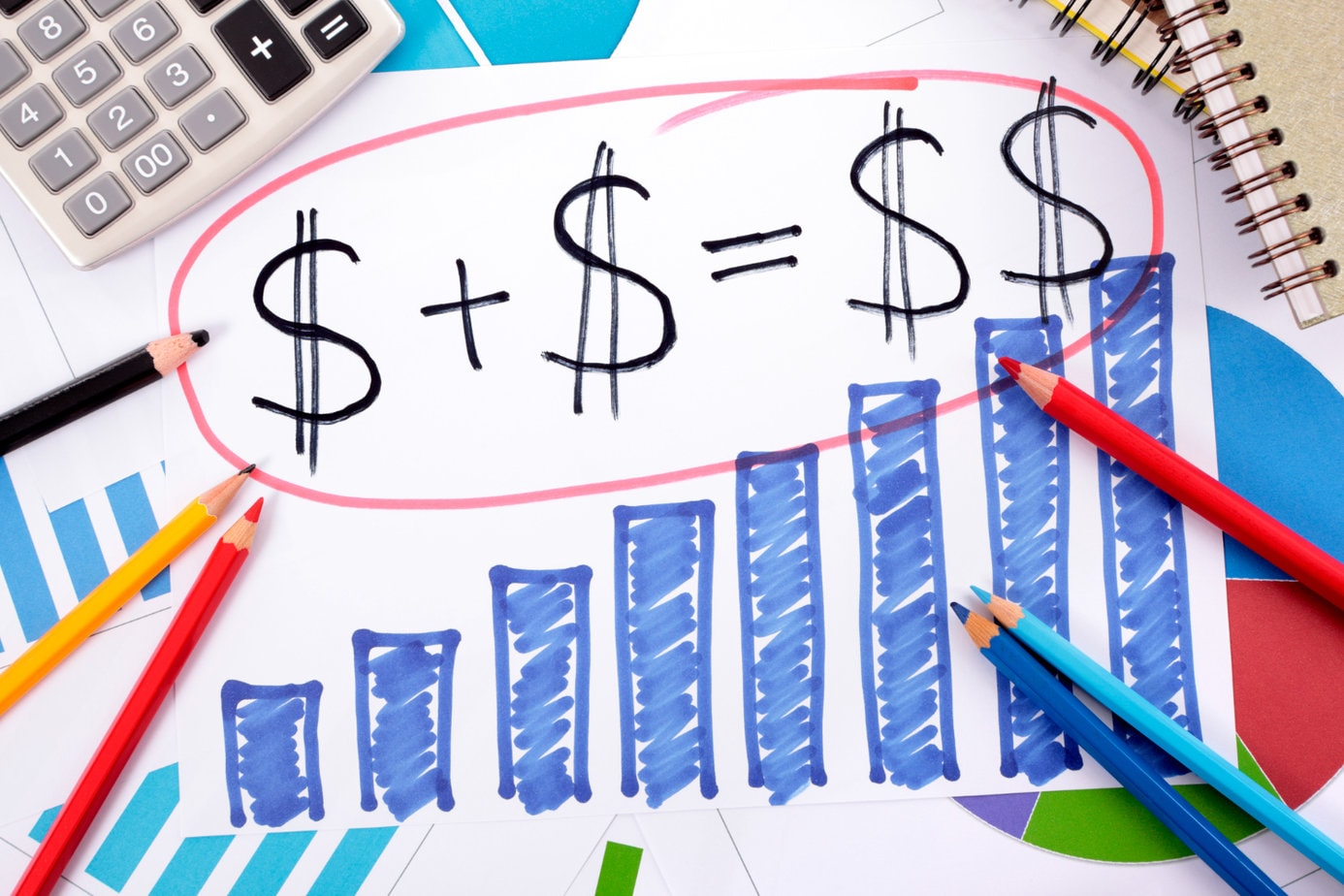
In fast-changing online marketing, Cost Per Acquisition (CPA) shows how well ads bring in sales or new customers. Understanding CPA in marketing is vital for new marketers to enhance ads and increase earnings. This guide will teach you the basics of CPA and give you practical tips to improve your marketing.
Introduction to CPA in Marketing
CPA stands for Cost Per Acquisition, telling you how much it costs to gain a new customer who makes a purchase due to your advertising. It’s an important number that helps you see if you’re getting a good return on your marketing investments by showing the cost of acquiring each new customer. For businesses looking to spend their money smartly, insight how to control CPA in marketing is key.
Understanding the Basics of CPA
Basically, to find CPA, you divide the total money spent on marketing by how many customers you got from those efforts. For instance, if you spend $1000 on a campaign and acquire 10 new customers, your CPA would be $100 per acquisition. This easy formula provides insight into the direct cost-effectiveness of your marketing campaigns.
Steps to Mastering CPA in Marketing
1. Set Clear Marketing Objectives
Before you start improving your CPA, decide what you want your marketing to achieve. Setting clear goals, such as increasing sales, getting more leads, or attracting more people to your website, helps you tell if your efforts are successful.
Track and Measure Everything
Implementing robust tracking mechanisms is crucial. Use analytics tools to track conversions, clicks, impressions, and other relevant metrics. Idea these numbers is the first step toward optimizing your CPA.
2. Understand Your Audience
Knowing who your target audience is and what motivates them is key to lowering your CPA. Use market studies, what customers say, and data analysis to better understand and describe your audience’s details and interests.
3. Optimize Your Ad Spend
Efficient budget allocation across different channels can seriously impact your CPA. Here are several strategies to consider:
- A/B Testing: Keep trying different parts of your ads, such as titles, pictures, and prompts to act, to find out which works best.
- Channel Selection: Invest more in channels that offer lower CPA and better engagement for your target audience.
- Bid Strategy Adjustment: On sites that use bidding, like Google Ads or Facebook Ads, change your bidding approach to aim for more sales or sign-ups instead of just clicks.
4. Improve Your Landing Page
The effectiveness of your landing page directly affects your CPA. Ensure that your setup is geared towards achieving outcomes, featuring a clear call to action (CTA), quick loading times, and engaging, pertinent content.
5. Leverage Retargeting
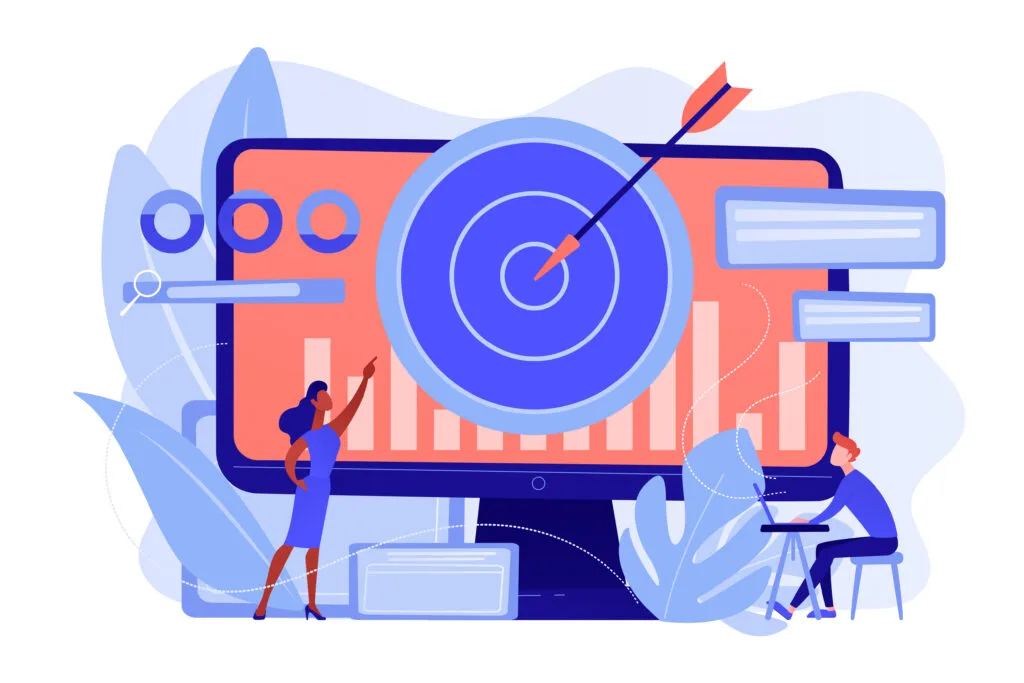
Retargeting allows you to show ads to users who have previously visited your website but didn’t convert. Because these users already know your brand, retargeting them can greatly improve the chances they’ll buy something, which can lower your CPA.
6. Use Content Marketing Vitally
Good content can pull in visitors without much advertising, cutting down how much you spend to get each new customer. Create a plan for your content that really speaks to what your audience cares about and wants.
7. Analyze and Adjust
Keep checking how well your marketing is doing and change things based on what you learn. Pay more attention to the methods, channels, and plans that give you the lowest cost per new customer.
Common Challenges and Solutions
If your CPA is too high, think about looking again at who you’re targeting, your ad design, or how your landing page looks. Sometimes, minor tweaks can lead to significant improvements.
Figuring out which marketing action actually led to sales can be tough but is crucial for correctly figuring out your CPA. Explore different attribution models to find one that best suits your business.
As you increase your marketing, keeping your CPA low might get harder. Aim to slowly grow your efforts, making sure every step is based on data and can be kept up over time.
Conclusion
Mastering CPA in marketing is a journey that requires continuous learning and adaptation. By setting clear goals, keeping track of data, knowing your audience, and improving your marketing tactics, you can control your CPA and reach your business goals. Remember, in digital marketing, success isn’t just about getting customers but also about doing it in a way that saves money. With the advice in this guide, beginners can start making their marketing more efficient and profitable.