When Great Products Still Struggle to Sell
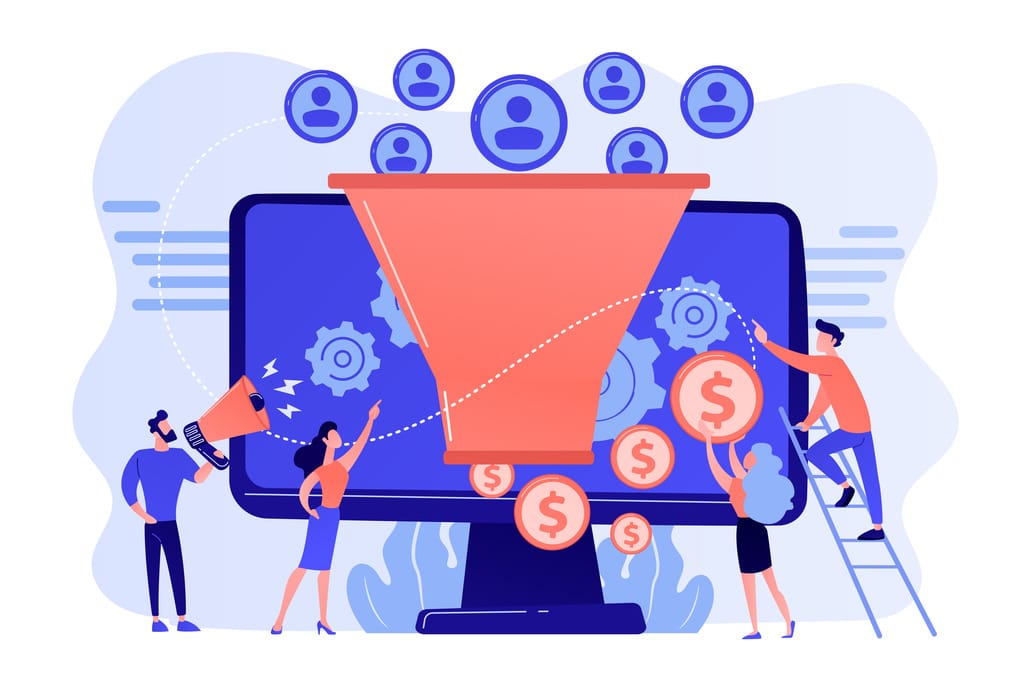
For many B2B businesses—especially in SaaS, infrastructure, and professional services—it’s not the product that’s the problem. It’s not the pricing. And it’s not that the leads aren’t there. The real issue is this: somewhere in the middle of the pipeline, momentum disappears.
The demo happens. The follow-up is sent. But then… silence.
This is especially common in complex B2B sales cycles involving multiple decision-makers, long evaluation periods, and competing internal priorities. And it’s not something that can be fixed with more emails or another cold call. To unstick stalled deals, you need a strategy that supports the full buying journey, not just the start of it.
That’s where LinkedIn comes into play.
Why LinkedIn Is Built for Complex Sales
LinkedIn isn’t just for top-of-funnel awareness or quick lead generation. It’s one of the few platforms where you can continuously engage with your audience throughout the sales cycle. Whether they’re doing initial research, vetting vendors, or just trying to build internal consensus, your prospects are often on LinkedIn while making those decisions.
What makes the platform especially powerful in this context:
- You can target by job title, seniority, company size, and industry
- You can reach not just buyers, but the influencers and blockers around them
- You can nurture deals without bombarding inboxes
But unlocking that potential requires more than just boosting a post and hoping for the best.

Where Most LinkedIn Campaigns Fall Short
Many B2B marketers treat LinkedIn the same way they treat display ads or email: create a lead magnet, slap a form on it, and measure conversions. But that approach rarely works for high-consideration deals.
Here’s what typically goes wrong:
- Single-touch campaigns that don’t reflect the multiple steps of a buying journey
- Generic messaging that doesn’t speak to specific pain points or buying roles
- No mid-funnel support, leaving decision-makers to do their own research elsewhere
- Sales and marketing misalignment, causing follow-ups to feel disconnected
The result? Leads come in. Sales reaches out. And then things quietly fizzle out.
Smart LinkedIn Strategies That Keep Deals Moving
Fixing this doesn’t mean reinventing your go-to-market strategy. It means using LinkedIn more intentionally to guide prospects forward. Here’s how:
1. Use LinkedIn to Build Consensus
In long sales cycles, it’s rarely one person making the call. Procurement, finance, operations, IT—they all have a seat at the table. If your message only reaches the end user or the person who filled out the form, you’re missing the bigger picture.
Use LinkedIn’s targeting to run campaigns specifically for:
- Technical stakeholders (highlighting integrations, compliance, support)
- Financial buyers (emphasising ROI, TCO, case studies)
- Executive sponsors (focusing on vision, scalability, impact)
You’re not repeating the same ad to everyone. You’re tailoring the message based on what each role needs to hear.
2. Layer Retargeting for Mid-Funnel Nurture
Someone watched your awareness-stage video? Great. Don’t pitch them a product yet. Serve them a case study next.
Someone clicked on your pricing page but didn’t convert? Time for a testimonial or explainer video.
Using retargeting to move people through the funnel—not just chase a form submission—keeps your brand top of mind without being pushy.
3. Sync Sales Activity With LinkedIn Touchpoints
If a deal is active in your CRM, use LinkedIn ads to reinforce what your sales team is saying. This could be as simple as running ads to the target account that echo the key benefits discussed on the call.
When buyers see your message reinforced by a professional ad in their feed, it adds weight—and builds trust faster.
4. Lean on the Right Tools (Without Overcomplicating It)
There are plenty of tools out there that promise to “fix” pipeline issues. But what you really need is visibility. Who’s engaging? What content moves them forward? Where are they dropping off?
A LinkedIn ad optimization tool can help surface these patterns so you’re not guessing. The goal isn’t to automate away thinking—it’s to get better signal on what’s actually working.
Why DIY Isn’t Always the Best Option
Let’s be honest—running effective LinkedIn campaigns takes time, testing, and cross-functional alignment. If you’re already juggling content calendars, sales enablement, and performance metrics, building a fully optimised LinkedIn funnel on your own may not be realistic.
That’s why many B2B brands partner with specialists who understand the nuance of complex sales environments. A strategic LinkedIn ad agency doesn’t just build ads—they help shape the entire engagement journey, from first impression to closed deal.
They can also bring insights from hundreds of campaigns across industries, giving you shortcuts to what works (and what doesn’t).
Final Thought: Reignite, Don’t Restart
If your pipeline is slowing down, don’t panic. Chances are the interest is still there—it just needs a nudge. LinkedIn gives you the ability to show up where your buyers are already looking, with content that moves them from consideration to commitment.
Get strategic. Segment by intent. Speak to the full buying group. And most importantly, treat LinkedIn not just as an ad platform—but as a continuation of your sales conversation.