
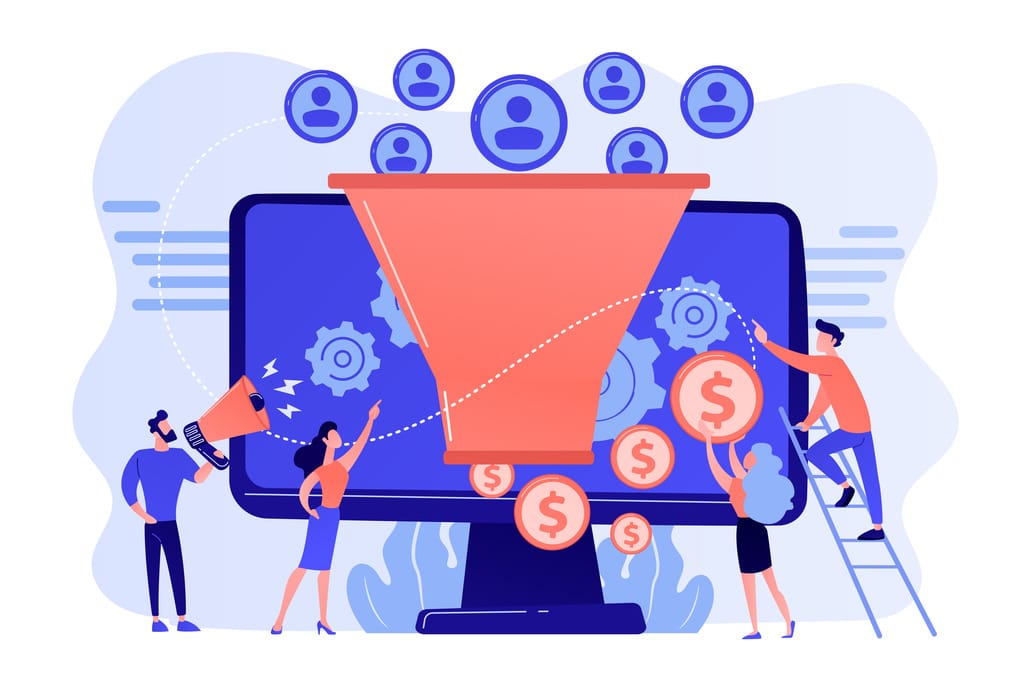
If your marketing funnel were a bucket, chances are it’s leaking like it’s been through five Singaporean monsoons. You’ve got traffic. You’ve got content. You’ve even got a semi-decent CRM. And yet… no leads.
Sound familiar?
Let’s talk about why your B2B demand engine might be broken — and more importantly, how the best in the biz are fixing it.
The Silent Killer of B2B Marketing: Random Acts of Content
You know the type.
A whitepaper here, a webinar there, and for good measure — a newsletter blast that’s about as targeted as a shotgun in a sandstorm.
This is what happens when there’s no strategy behind your content. No orchestration. No funnel alignment. Just a scattered mess of good intentions and missed opportunities.
The fix?
Map Every Piece of Content to a Stage of the Buyer’s Journey
Imagine your prospect is on a first date with your brand. Would you ask them to book a demo 5 minutes in?
Exactly.
Here’s a quick cheat sheet:
- Buyer Stage | Content Type
- Awareness | Blog posts, LinkedIn carousels, YouTube shorts
- Consideration | Case studies, email nurtures, ROI calculators
- Decision | Product comparison pages, live demos, testimonials
But here’s the kicker: it’s not just about what content you create — it’s about how you distribute it.
Paid Ads Aren’t Dead. You’re Just Using Them Wrong.
Google Ads. LinkedIn Ads. Meta Retargeting.
Everyone’s doing them. Few are doing them well.
You want ROI? You need orchestration.
The top-performing demand generation agencies in Singapore don’t treat paid like a faucet you turn on and off.
They build ecosystems.
Here’s what that looks like:
- 1. Cold outreach ads with bold hooks and problem statements.
- 2. Middle funnel remarketing based on landing page engagement.
- 3. Bottom funnel CTAs nudging people to book a call, not just “learn more.”
And the magic? It’s all synced with CRM data, tracked with UTM precision, and optimized like a Formula 1 car before race day.
Your CRM Isn’t the Problem. Your Follow-Up Is.
Let’s face it: the biggest graveyard in B2B is your contact list.
You capture leads, then send them a “Thanks for downloading our ebook!” email… and never speak to them again.
Guess what happens?
Nothing.
The best demand gen teams don’t stop at the form fill. They treat that lead like gold — segmenting, tagging, scoring, and then following up with behavior-based content.
Download a pricing guide? They get a case study. Clicked the demo link but didn’t convert? They get a retargeted ad + email combo.
It’s automated. It’s personalised. It’s consistent.
And yes — it works.
Demand Gen ≠ Lead Gen (Here’s the Difference That Matters)
This one deserves its own billboard.
Lead gen is: “Here’s a whitepaper. Give us your email.”
Demand gen is: “Here’s value, whether or not you give us your email. And when you’re ready, you’ll come to us.”
The best agencies focus on creating demand — not just capturing it. That means content that educates, entertains, and builds trust — long before the sales team steps in.
It’s not just about gated content. It’s about building a brand that becomes the go-to in your category.
In Singapore’s hyper-competitive B2B scene, that matters more than ever.
Real Talk: Do You Actually Need a Demand Gen Agency?

Let’s be blunt.
If your current marketing team is juggling 17 tasks, doesn’t know what a funnel velocity report is, and hasn’t updated your buyer personas since 2019… yes, you probably do.
A good demand generation agency doesn’t just run campaigns. They build systems.
- Systems for content planning
- Systems for lead scoring
- Systems for paid distribution
- Systems for sales enablement
They don’t just get you traffic. They get you revenue.
Especially in a market like Singapore, where B2B buyers are digital-first, research-obsessed, and allergic to bad marketing.
How to Spot a Good Demand Gen Agency (Even in a Sea of SEO Cowboys)
Let’s wrap it up with a checklist. If you’re evaluating partners, ask them this:
- Do you create content with funnel intent in mind — not just keywords?
- Do you run full-funnel paid campaigns with custom landing pages?
- Can you connect CRM data with ad campaigns to close the attribution loop?
- Do you provide insights that go beyond “we got X clicks”?
- Do you actually test stuff — like subject lines, creative formats, and lead forms?
If they say yes to all, book that call.
If they mumble something about “brand awareness” and show you an Instagram grid… keep walking.
Final Thoughts: The Funnel Fix is Closer Than You Think
Most marketing problems aren’t because you don’t have enough tools.
It’s because the tools aren’t working together.
The difference between a random pile of tactics and a smooth demand engine?
A smart strategy — executed consistently, with data, creativity, and just enough sass to stand out.
Fix the leaks. Build the system. Or hire someone who can.